
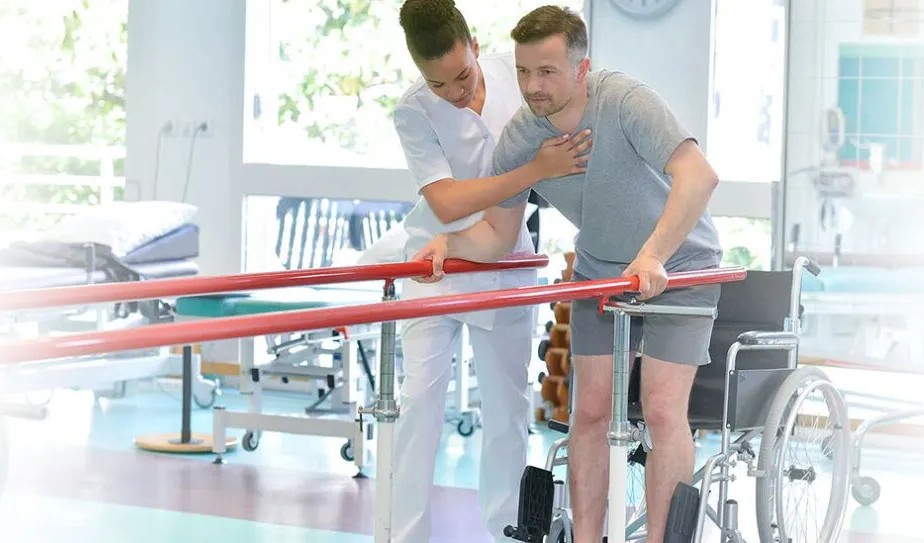
What is Multidisciplinary Rehabilitation?
Multidisciplinary Rehabilitation brings together experts from multiple specialties to support recovery after cancer or major illnesses.
The team includes physiotherapists, occupational therapists, speech therapists, nutritionists, psychologists, social workers, and pain specialists — all working with your oncologists to restore health in a holistic, coordinated manner.Our focus is on physical recovery, psychological stability, and social reintegration — so patients not only survive cancer but truly live beyond it.
Our Key Focus Areas
1. Physical Rehabilitation
Post-surgical mobility training and muscle strengthening
Range-of-motion and flexibility exercises after mastectomy, limb-sparing surgery, or reconstructive procedures
Management of post-radiation fibrosis and stiffness
Lymphedema therapy (manual drainage, compression, and exercise)
Neuromuscular re-education after chemotherapy or neuropathy
2. Pain and Symptom Management
Non-pharmacological pain control: relaxation, positioning, nerve desensitization
Physiotherapy for joint stiffness, scar tenderness, neuropathic pain
Collaboration with pain and palliative care teams for advanced interventions
3. Speech and Swallow Therapy
Voice and speech rehabilitation after head-and-neck or thyroid surgeries
Swallowing training after oral or laryngeal cancer treatment
Breathing and communication techniques for tracheostomy care
4. Occupational Therapy
Hand and upper-limb function restoration after surgery or lymphedema
Daily living adaptations — dressing, grooming, work ergonomics
Assistive devices and home modifications for independence
5. Nutrition and Dietetic Support
Personalized meal planning for energy, healing, and immunity
Management of taste changes, swallowing issues, and appetite loss
Guidance for weight management during and after cancer therapy
6. Psychological and Emotional Rehabilitation
Counseling to overcome fatigue, anxiety, or depression
Coping strategies for body-image issues and fear of recurrence
Psycho-oncology liaison for family and social reintegration
7. Social and Vocational Reintegration
Helping patients return to school, work, or social roles
Guidance on disability certification, insurance, and support groups
Education for caregivers on safe home-based care
Who Can Benefit?
Patients recovering from major cancer surgeries
Individuals with treatment-related side effects — fatigue, stiffness, neuropathy, weakness, or swallowing problems
Cancer survivors aiming to regain fitness and confidence
Elderly patients with mobility or balance challenges
Post-ICU or post-operative patients requiring reconditioning
The Gemcare Rehabilitation Process
Comprehensive Assessment
Functional evaluation, pain and mobility scoring, and psychological screening.Goal-Oriented Treatment Planning
Short- and long-term goals set collaboratively with patient and family.Personalized Therapy Sessions
Physiotherapy, occupational therapy, nutrition, and counseling integrated daily or weekly.Progress Tracking & Re-Evaluation
Periodic reviews by the multidisciplinary team to ensure continuous improvement.Home Exercise & Caregiver Training
Safe continuation of rehabilitation after discharge, with clear instructions and support.