
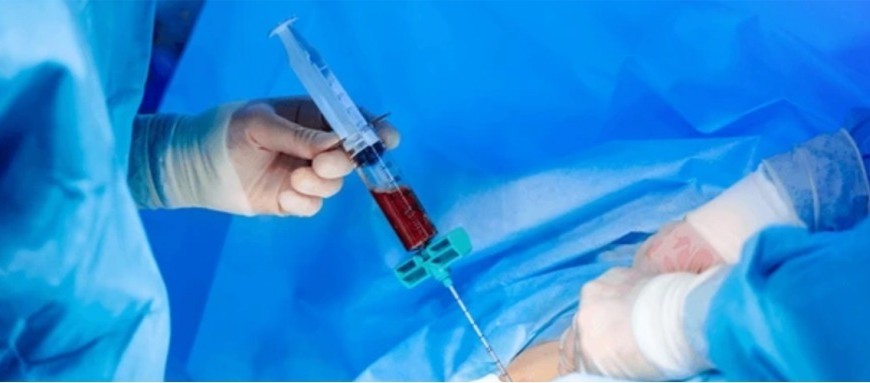
What is Paediatric Haemato-Oncology?
Paediatric Haemato-Oncology focuses on diagnosing, treating, and managing cancers and blood-related disorders in children — including leukemias, lymphomas, and genetic blood diseases.
Children require specialized protocols and compassionate handling, as their physiological responses and emotional needs differ from adults.Our team includes paediatric oncologists, haematologists, transplant physicians, nurses, counsellors, and nutritionists, all working together to deliver complete, coordinated, and compassionate care.
Our Areas of Expertise
1. Childhood Cancers
Leukemias: Acute Lymphoblastic (ALL), Acute Myeloid (AML), Chronic Myeloid (CML)
Lymphomas: Hodgkin’s and Non-Hodgkin’s
Solid Tumours: Neuroblastoma, Wilms’ Tumour, Bone and Brain Tumours
2. Blood Disorders
Aplastic Anaemia
Thalassemia Major and Intermedia
Sickle Cell Anaemia
Myelodysplastic Syndromes
Inherited Immune Deficiencies and Metabolic Disorders
3. Bone Marrow Transplant (BMT)
Autologous BMT: Using the patient’s own stem cells
Allogeneic BMT: Using stem cells from a matched donor (sibling/unrelated)
Haploidentical BMT: Using a half-matched family donor
Cord Blood Transplant: For specific conditions
Why Choose BMT?
Bone Marrow (Stem Cell) Transplantation replaces diseased or damaged bone marrow with healthy stem cells that can regenerate normal blood and immune function.
It is a curative treatment for many childhood blood cancers and genetic disorders.Conditions Treated with BMT
Acute Leukemias in remission
Aplastic Anaemia
Thalassemia Major
Sickle Cell Disease
Immunodeficiency Syndromes
Certain solid tumours and rare metabolic diseases
The BMT Process at Gemcare
Our BMT program follows international protocols with a personalized, safety-first approach.
1. Pre-Transplant Evaluation
Comprehensive blood, imaging, and genetic tests
Infectious disease screening
Nutritional and psychological preparation
Donor matching (HLA typing) and counselling
2. Conditioning Phase
Chemotherapy and/or radiation to destroy diseased marrow
Immune suppression to prepare for new stem cells
3. Stem Cell Infusion
Healthy stem cells (from donor or patient) are infused into the bloodstream
The cells travel to the bone marrow to begin new blood formation
4. Recovery & Engraftment
Intensive monitoring for infection, bleeding, or rejection
Engraftment usually occurs within 2–4 weeks
Supportive care with antibiotics, transfusions, and nutrition
5. Post-Transplant Care
Regular follow-ups for graft monitoring and immunity recovery
Vaccination, nutrition, and psychosocial support programs
Rehabilitation and reintegration to normal life
Facilities & Safety Protocols
Dedicated HEPA-filtered BMT Units with positive pressure isolation rooms
Infection Control Protocols adhering to international standards
24×7 Critical Care & Emergency Support
Specialized BMT-trained nursing staff
On-site blood bank and lab support for transfusions and monitoring
Multidisciplinary Care — Oncology, Immunology, Nutrition, Psychology, Physiotherapy
Supportive Care Services
Psychological Support & Play Therapy for emotional well-being
Nutrition & Dietetic Guidance for faster recovery
Physiotherapy and Rehabilitation for strength and stamina
Parent Education & Counselling on home care and infection prevention
School Reintegration Support for long-term follow-up children