
What is Uro-Oncology?
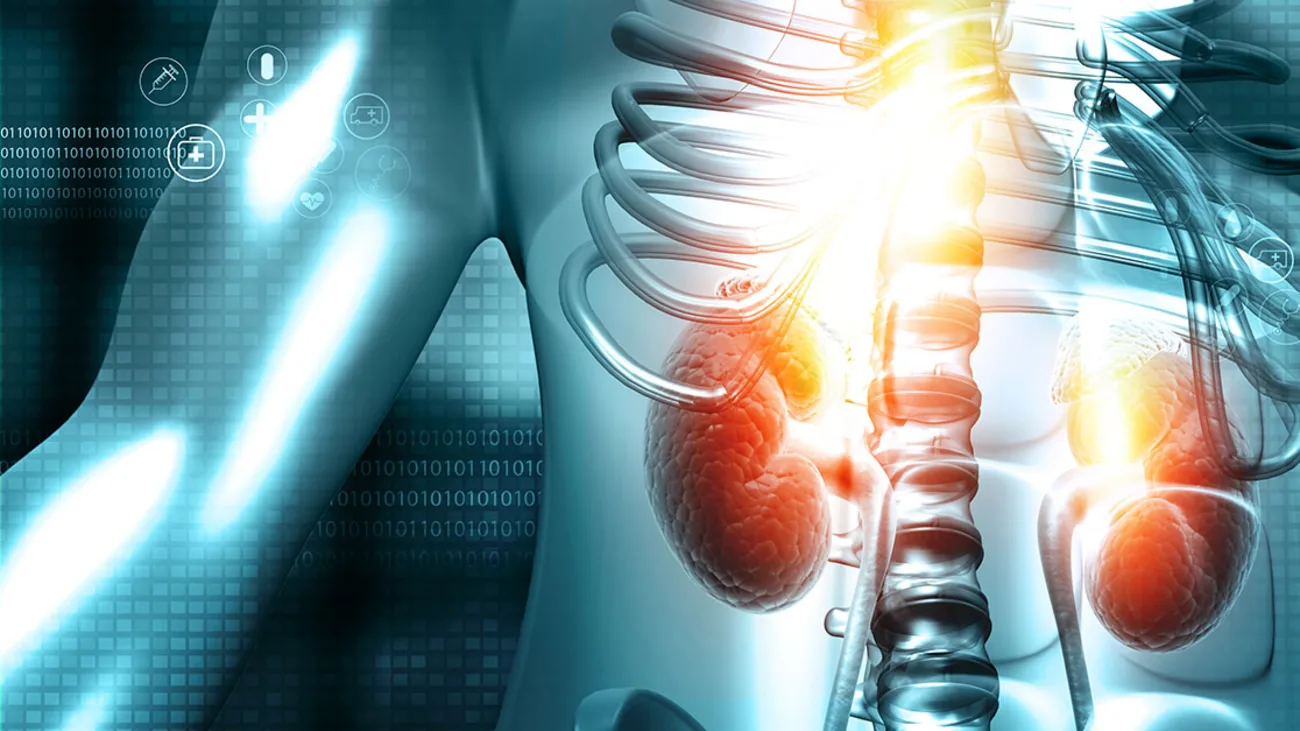
Uro-oncology, or urological oncology, is a medical specialty that focuses on diagnosing, treating, and managing cancers that affect the urinary system and male reproductive organs. The urinary system comprises the kidneys, bladder, ureters, and urethra, while the male reproductive system includes the prostate, testicles, and penis. Early detection and management are crucial for improving outcomes in urological cancers.
Common Urological Complaints
Some common urological complaints include:
- Pain while Passing Urine
Also known as dysuria, this condition can be caused by urinary tract infections, prostatitis, sexually transmitted infections, kidney stones, urethritis, and interstitial cystitis. - Blood or Any Discharge in Urine
Hematuria (blood in the urine) and abnormal discharges may indicate various underlying conditions, ranging from infections to serious issues such as bladder or kidney cancer. - Prostate Cancer
Prostate cancer occurs when cells in the prostate gland begin dividing abnormally and form a tumor. - Low Back Pain
Low back pain can be associated with urinary tract diseases, especially when the kidneys or other parts of the urinary system are affected. - Male Infertility
Male infertility refers to a man’s inability to impregnate a fertile female and can result from various factors affecting sperm production, function, or delivery. - Erectile Dysfunction
Erectile dysfunction is the inability to achieve or maintain an erection sufficient for sexual activity, with physical, psychological, or both causes. - Swelling in the Testis/Penis
Swelling in the testis or penis can result from infections, inflammation, injury, hernia, varicocele, hydrocele, and cysts or tumors.
Types of Urological Cancers
Here are some common types of urological cancers:
- Adrenal Cancer
Originates in the adrenal glands and may present with abdominal pain, weight loss, and hormonal imbalances. Early detection is often challenging. - Bladder Cancer
Refers to cancer growth in the bladder lining. Symptoms include blood in the urine, pelvic pain, and frequent urination. Early diagnosis improves outcomes. - Prostate Cancer
A cancer of the prostate gland, often asymptomatic in the early stages. Risk factors include age and family history. Treatments include prostatectomy, radiation therapy, hormone therapy, chemotherapy, and targeted therapy. - Testicular Cancer
Affects the testicles, usually in young men. Symptoms include painless lumps or swelling. Early detection is vital, as the disease has a high cure rate when diagnosed early. - Urethral Cancer
A rare and aggressive cancer occurring in the urethra. Symptoms include blood in the urine, painful urination, and discharge. - Penile Cancer
A rare malignancy affecting the penis, with risk factors including age, HPV infection, and poor hygiene. Symptoms may include lumps, sores, or changes in skin color.
Management of Urological Cancers
Urological cancers are effectively managed when diagnosed early. A personalized care plan is formulated after diagnosis and staging, which may include surgery, radiation therapy, chemotherapy, and other systemic therapies.
Diagnosis of Urological Cancers
- Physical Exam and Medical History Assessment
Diagnosis begins with a physical exam and an assessment of the patient’s medical history. Additional tests may be suggested if a urological cancer is suspected. - Cystoscopy or Ureteroscopy
Cystoscopy examines the bladder, while ureteroscopy assesses the ureters and kidneys. Both procedures help diagnose upper urinary tract cancers. - Laboratory Tests
Urinalysis, urinary cytology, prostate-specific antigen, renal function, and tumor marker tests play a crucial role in diagnosing and monitoring urological cancers. - Imaging Tests
Imaging assists in diagnosing and staging urological cancers. CT scans, MRIs, and ultrasound scans provide detailed images of the bladder, prostate, and kidneys, while PET scans help detect metastases. - Biopsy
A biopsy involves taking a small tissue sample from the affected area for microscopic examination to confirm the diagnosis of urological cancers.
Treatment for Urological Cancers
Treatment options for urological cancers include:
- Surgery
Surgery is often the primary treatment for urological cancers and involves removing tumors and affected tissues. Common surgical procedures include:- Penectomy
Surgical removal of all or part of the penis, often performed in advanced penile cancer cases. - Orchiectomy
The surgical removal of one or both testicles, typically done for testicular cancer. - Cystectomy
Removal of the bladder, often required for advanced bladder cancer. This may involve creating a urinary diversion. - Urethrectomy
Surgical removal of the urethra, performed to manage advanced urological cancers, often involving reconstructive techniques to restore urinary function. - Lymph Node Removal (Lymphadenectomy)
Removal of regional lymph nodes to assess and manage the spread of cancer. - Wide Local Excision
Removal of tumors along with surrounding healthy tissue, typically used for penile and testicular cancers. - Adrenalectomy
Removal of the adrenal gland, commonly performed for cancers affecting the adrenal glands. - Nephrectomy
Removal of a kidney, often done for kidney cancers like renal cell carcinoma. - Prostatectomy
Surgical removal of the prostate gland for prostate cancer treatment, which can be performed using radical or robotic-assisted approaches.
- Penectomy
Conclusion
Uro-oncology is a specialized field that plays a critical role in managing cancers of the urinary system and male reproductive organs. Early diagnosis and personalized treatment plans significantly improve outcomes. If you experience symptoms associated with urological cancers, consulting a healthcare provider for timely intervention is crucial.
- Pain while Passing Urine